


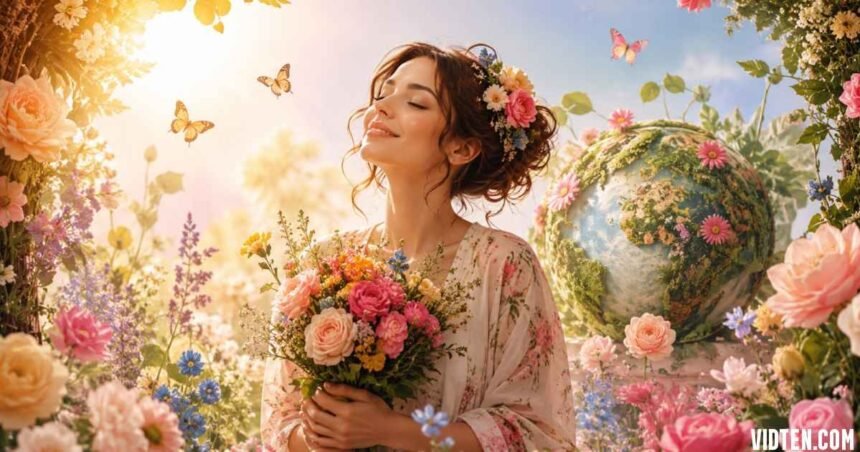
Fleurism is the #1 wellness and lifestyle movement of 2026, transforming how people improve their mental health, creativity, home atmosphere, and everyday happiness through the power of flowers. Far beyond traditional bouquets, Fleurism combines mindfulness, floral design, aromatherapy, nature rituals, and sustainable living into one accessible lifestyle that anyone can practice.
Whether you’re searching for what Fleurism means, why it’s trending, or how to start Fleurism, this complete 2026 guide covers everything you need to know.
What Is Fleurism? Meaning, Origin, and Philosophy
The word Fleurism comes from the French word “fleur,” meaning flower. At its heart, Fleurism is the belief that flowers are more than decoration—they’re powerful tools for healing, inspiration, emotional balance, and connection with nature. Instead of viewing flowers as occasional gifts, Fleurism encourages making them a meaningful part of everyday life.
The philosophy of Fleurism is built on three core pillars:
- Floral Wellness: Using flowers to reduce stress, improve mood, and support mindfulness.
- Floral Aesthetics: Bringing natural beauty, color, and texture into homes, fashion, and even digital spaces.
- Floral Connection: Reconnecting with nature, seasonal rhythms, and intentional living instead of constant screen time.
In 2026, Fleurism has become popular among therapists, interior designers, wellness coaches, artists, and everyday individuals because it’s affordable, science-backed, and easy to adopt. The movement isn’t about buying expensive luxury bouquets—it’s about creating intentional moments with flowers that promote peace, creativity, and gratitude.
Why Fleurism Is Trending in 2026
Several powerful cultural shifts have made Fleurism one of the fastest-growing wellness trends of 2026.
The first is the growing focus on mental health. A 2025 study reported that spending just five minutes with fresh flowers can reduce cortisol levels by approximately 25%, helping people manage stress naturally. As burnout and anxiety continue to affect millions, many are looking for simple, drug-free wellness practices.
The second reason is the Digital Detox movement. After years of endless scrolling, remote work, and screen fatigue, people are craving experiences they can actually touch, smell, and appreciate. Flowers provide a refreshing sensory experience that technology simply cannot replace.
Sustainability has also fueled Fleurism’s popularity. Modern consumers increasingly choose locally grown flowers, dried blooms, preserved arrangements, and zero-waste floral designs, making Fleurism a natural fit for environmentally conscious lifestyles.
Social media has accelerated the trend even further. The hashtag #Fleurism has generated more than 2.3 billion views across TikTok and Instagram, where trends like flower baths, gratitude bouquets, floral tablescapes, botanical journaling, and seasonal flower rituals continue attracting millions of viewers. Within just one year, Fleurism has evolved from a niche hobby into a mainstream global movement.
7 Proven Benefits of Fleurism Backed by 2026 Research
The appeal of Fleurism goes far beyond aesthetics. Emerging wellness research highlights several practical benefits that explain why so many people are embracing this lifestyle.
1. Reduces Stress and Anxiety
Looking at, smelling, and arranging flowers activates the parasympathetic nervous system, encouraging relaxation while lowering heart rate and stress levels.
2. Boosts Mood and Dopamine
Bright floral colors such as yellow, pink, and orange stimulate positive emotions. Flowers are increasingly used in supportive wellness environments because they naturally encourage feelings of optimism and happiness.
3. Improves Sleep Quality
Flowers including lavender, jasmine, and chamomile are widely used in evening Fleurism rituals. Their calming scents have been associated with improved relaxation and can support deeper, more restful sleep.
4. Increases Creativity and Focus
Many writers, designers, and creative professionals now incorporate small floral arrangements into their workspaces. Even a single flower can provide visual inspiration while helping reduce mental fatigue.
5. Enhances Home Energy
Fresh flowers instantly make living spaces feel brighter, cleaner, and more welcoming. Many Fleurism enthusiasts believe floral arrangements help eliminate stagnant energy and create uplifting environments.
6. Supports Natural Beauty Routines
Rose water, botanical oils, edible petals, and floral teas have become staples in modern skincare and wellness routines, offering natural alternatives that complement holistic self-care.
7. Builds Gratitude and Community
Flower arranging workshops, Fleurism circles, and community gardening events have become popular social activities. Sharing flowers encourages stronger relationships while promoting gratitude and kindness.
6 Types of Fleurism Practices You Can Start Today
One of Fleurism’s greatest strengths is its flexibility. You don’t need a garden or expensive equipment to participate.
Fleurism Therapy combines flower arranging, scent work, guided journaling, and mindful reflection to help process emotions in therapeutic settings.
Fleurism Decor embraces trends such as single-stem minimalism, preserved flower walls, seasonal centerpieces, and locally sourced floral displays that prioritize quality over quantity.
Fleurism Fashion brings flowers into everyday style through floral prints, botanical accessories, fresh flower jewelry, and the growing popularity of 3D floral couture on fashion runways.
Fleurism Kitchen introduces edible flowers like hibiscus, violet, nasturtium, pansies, and lavender into teas, desserts, salads, flavored ice cubes, and homemade jams.
Digital Fleurism adapts the trend for modern lifestyles with AI-generated floral wallpapers, meditation apps, virtual bouquets, and augmented reality flower experiences, especially for apartment dwellers and remote workers.
Fleurism Rituals include simple weekly habits such as the Sunday Flower Reset, Morning Gratitude Vase, and relaxing Full Moon Flower Baths, encouraging mindfulness through consistent interaction with flowers.
How to Start Fleurism: 5-Step Beginner Guide for 2026
Starting Fleurism is surprisingly affordable. With around $10 and just 10 minutes a day, anyone can begin experiencing its benefits.
Step 1: Choose Your Flower Anchor
Select one flower that represents the emotion you want to cultivate. Lavender symbolizes calm, Sunflowers represent joy, while Roses encourage self-love and compassion.
Step 2: Create a Fleurism Corner
Design a small mindfulness space with a vase, notebook, candle, and your chosen flower. This becomes your daily place for quiet reflection.
Step 3: Practice the 3S Method
Spend two mindful minutes each day:
- See the flower.
- Smell it deeply.
- State one thing you’re grateful for.
This simple exercise encourages presence while reducing daily stress.
Step 4: Add One Floral Habit Each Week
Purchase a small bouquet, prepare herbal floral tea, replace your phone wallpaper with botanical imagery, or decorate your workspace with seasonal blooms.
Step 5: Join the Fleurism Community
Follow #Fleurism, attend local flower arranging classes, participate in online challenges, or connect with other enthusiasts who share inspiration and seasonal ideas.
Pro Tip for 2026: Dried and preserved flowers can last 6–12 months, making them an affordable and sustainable option for long-term Fleurism practice.
Top Fleurism Trends 2026 You Need to Know
Fleurism continues evolving with exciting new ideas that combine wellness, sustainability, and technology.
One of the biggest movements is Warm Minimalism, where a single white tulip in a handcrafted clay vase creates elegance through simplicity rather than excess.
Foraged Fleurism encourages collecting locally available wildflowers and natural plants responsibly, celebrating regional biodiversity while reducing environmental impact.
Monochrome Bouquets are also becoming popular. Arrangements featuring a single color are often chosen to match specific moods—blue for calm, yellow for optimism, and pink for compassion.
Technology is entering the floral world through AI-powered Fleurism apps that recommend flowers based on mood, send daily botanical affirmations, and suggest personalized wellness rituals.
Subscription services now combine flowers, mindfulness cards, herbal teas, and guided wellness exercises, while businesses increasingly introduce Office Fleurism, creating floral wellness spaces designed to reduce employee burnout and improve workplace satisfaction.
Major lifestyle brands have also launched Fleurism-inspired candles, essential oil diffusers, home décor collections, fashion accessories, and botanical skincare products, reflecting the movement’s growing commercial influence.
Fleurism vs Other Wellness Trends
While many wellness practices focus on one area of health, Fleurism combines multiple benefits into one simple daily habit.
| Trend | Primary Focus | Typical Cost |
|---|---|---|
| Meditation | Mindfulness | Free – $100 |
| Aromatherapy | Fragrance & Relaxation | $20 – $80 |
| Home Decor | Interior Design | $100+ |
| Fleurism 2026 | Mind, Body, Home & Nature | $5 – $30 |
Unlike many trends that address only mental wellness or aesthetics, Fleurism improves emotional wellbeing, enhances living spaces, strengthens connection with nature, and encourages gratitude simultaneously, all while remaining accessible to nearly every budget.
Challenges, Best Practices, and the Future of Fleurism
Like any lifestyle movement, Fleurism comes with practical considerations. Fresh flowers eventually fade, making dried flowers, potted plants, and responsibly foraged blooms excellent sustainable alternatives. Individuals with allergies can choose hypoallergenic varieties such as orchids, roses, and tulips, while buying locally grown seasonal flowers helps reduce environmental impact.
Experts recommend rotating flowers according to the seasons, learning traditional flower symbolism—such as lilies representing peace and daisies symbolizing new beginnings—and finding creative uses for petals and stems in teas, crafts, or composting. Perhaps most importantly, Fleurism encourages embracing the natural life cycle of flowers as a reminder that growth, change, and renewal are all part of life.
Looking ahead, specialists predict three major developments during late 2026:
- Healthcare Fleurism, where hospitals incorporate floral arrangements into patient recovery environments.
- AI Fleurism Coaches, which analyze mood and recommend personalized flowers and wellness rituals.
- Fleurism Education, introducing floral mindfulness activities into schools to support student wellbeing.
As modern life becomes increasingly fast-paced and digital, Fleurism offers a gentle reminder to slow down, reconnect with nature, and appreciate everyday beauty.
Final Verdict: Is Fleurism Worth Trying in 2026?
Yes. If you’re looking for a wellness habit that is simple, affordable, beautiful, and supported by growing scientific interest, Fleurism is well worth exploring. You don’t need to be a florist or invest in expensive arrangements to experience its benefits.
Start with one flower, spend five mindful minutes practicing the 3S Method, and gradually introduce more floral touches into your daily routine. Whether you want to reduce stress, improve your home’s atmosphere, boost creativity, or reconnect with nature, Fleurism provides an easy and meaningful path toward greater wellbeing.
In an increasingly noisy digital world, Fleurism reminds us that happiness can begin with something as simple as a single flower.